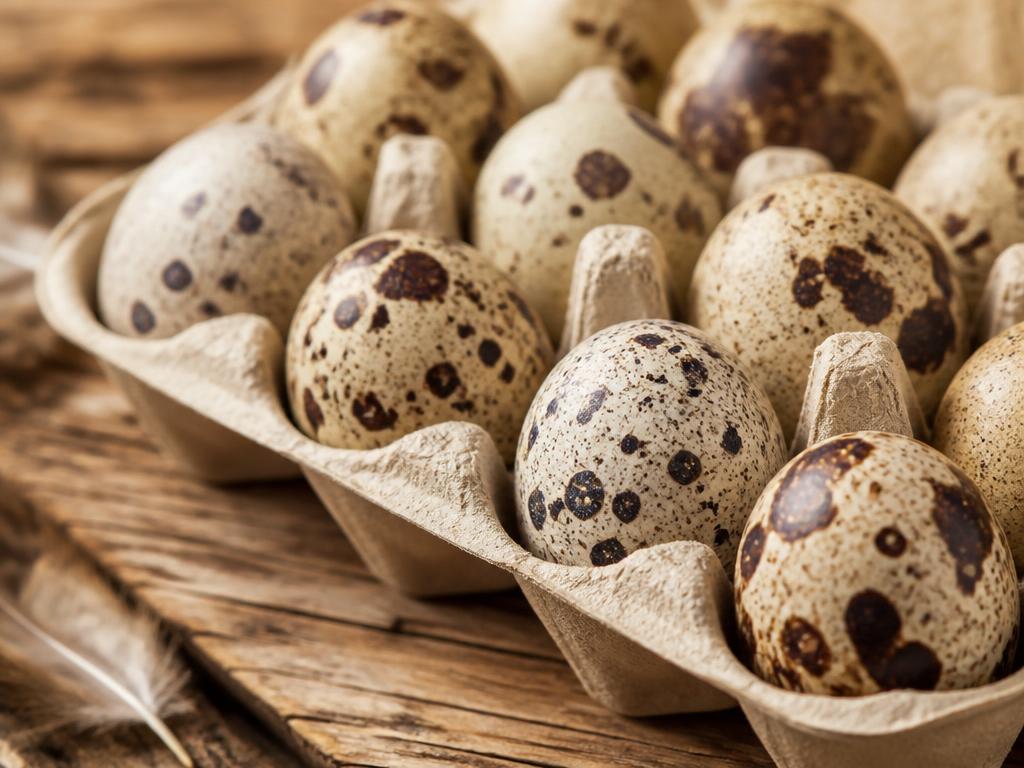
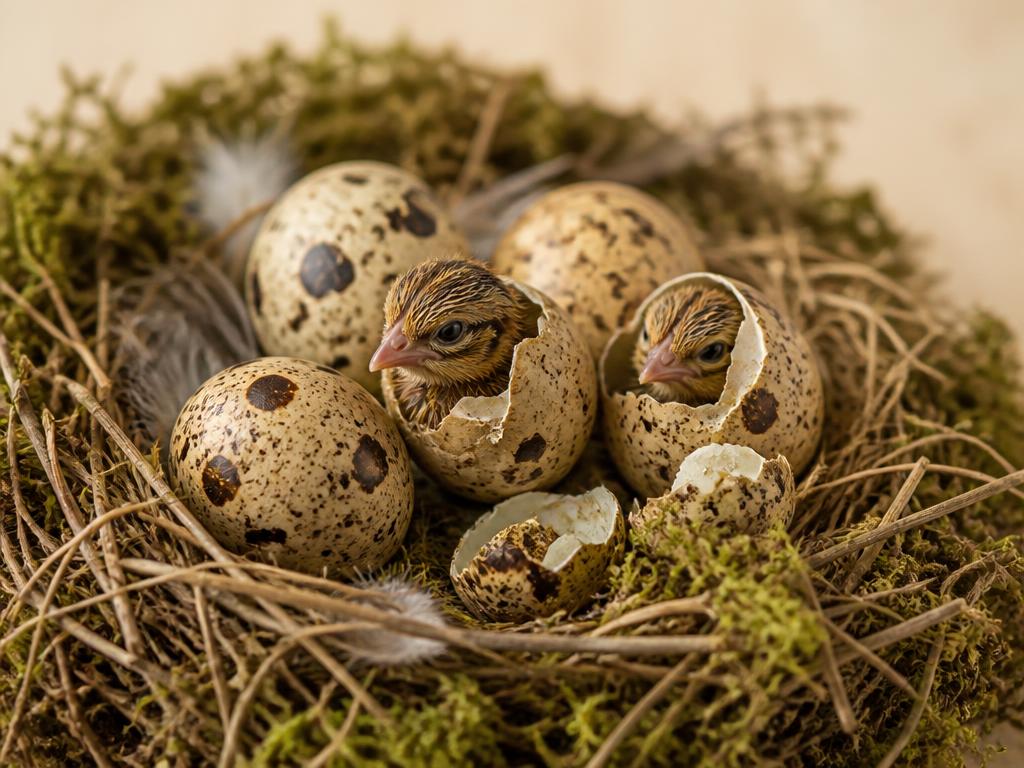
Coturnix quail eggs typically take around 17 days to hatch. Keep them at roughly 37.5°C (99.5°F) in a forced-air incubator, at around 45% humidity for the first 14 days, turning several times a day — then stop turning and raise humidity to around 65% for the final three days ("lockdown") until the chicks hatch.
That's the short answer. Here's the fuller version we give customers who buy our hatching eggs.
Before you set your eggs
- Let posted eggs rest, pointed end down, for 12–24 hours at room temperature before setting. This lets the air cell settle after the journey.
- Run your incubator empty for at least 24 hours first, and check the temperature with a separate thermometer — built-in readouts can drift.
- Set only clean, uncracked eggs. Don't wash them; washing strips the protective bloom.
Incubation settings for quail eggs
| Stage | Days | Temperature | Humidity | Turning |
|---|---|---|---|---|
| Incubation | 1–14 | 37.5°C (forced air) | ~45% | 3–5 times daily or automatic |
| Lockdown | 15–17 | 37.5°C | ~65% | Stop turning |
If you're using a still-air incubator, aim slightly higher — around 38.5°C measured at the top of the eggs — because temperature layers in still air.
The three rules that matter most
- Stable temperature beats perfect temperature. A steady 37.4°C is far better than a reading that swings between 36°C and 39°C. Site the incubator away from windows, radiators and draughts.
- Turning matters in the first two weeks. Turning stops the developing embryo sticking to the shell membrane. If your incubator doesn't auto-turn, mark eggs with a pencil X so you can keep track.
- Don't open the lid during lockdown. Opening the incubator in the last three days dumps the humidity that chicks need to hatch cleanly. Patience pays.
Candling
You can candle quail eggs around day 7 with a bright torch in a dark room, though their speckled shells make them harder to read than chicken eggs. Look for a spider of veins (developing) versus a clear glow (likely infertile). If in doubt, leave the egg in until lockdown.
Hatch day
Chicks pip, rest, then unzip the shell — the process can take hours, and that's normal. Leave chicks in the incubator until they're dry and fluffy, then move them to a pre-warmed brooder at around 35°C for their first week, dropping the temperature gradually each week after.
Stack the odds in your favour
Hatch rates depend on egg freshness, fertility, postage handling and your incubator — which is why we select our hatching eggs from proven breeding lines, handle every batch carefully and date-mark it before it leaves the farm. Browse our fertile hatching eggs or get in touch with any questions — we're always happy to help a first-time hatcher get set up.